List of Jeddah Ziyarat Places (Religious & Historical)
Jeddah is not only the main arrival point for pilgrims performing Umrah and Hajj, but also a city deeply connected to Islamic history, early pilgrimage routes, and centuries of spiritual preparation.
Long before modern airports, Jeddah served as the seaport through which pilgrims from across the Muslim world entered the Hijaz on their way to Makkah.
Because of this role, Jeddah is home to many Ziyarat places, mosques, historic districts, symbolic gates, and reflective locations that pilgrims still visit today to deepen their spiritual journey.
Exploring these places with a dedicated Jeddah Ziyarat Taxi allows pilgrims to travel comfortably, especially families and elderly visitors.
Below is a detailed guide to the most famous Jeddah Ziyarat places, explaining their religious, historical, and spiritual importance.
1. Al-Balad (Historic Jeddah) – The Soul of the City
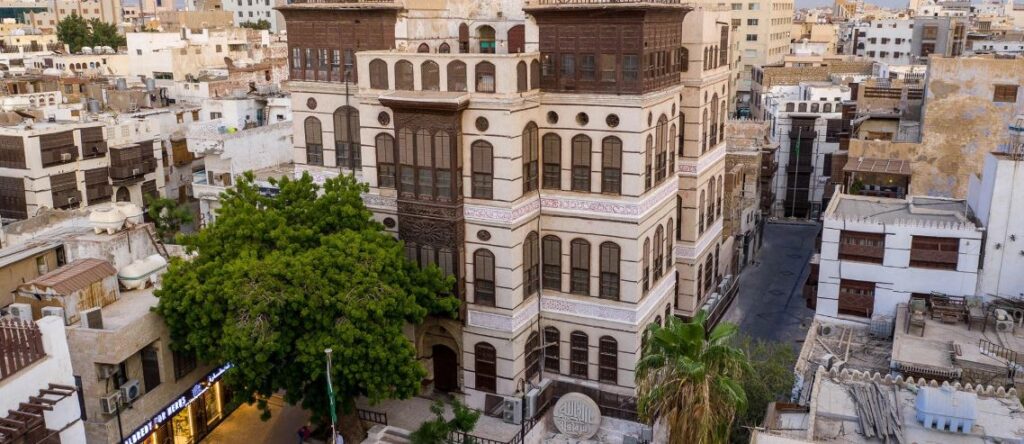
Al-Balad is the historic heart of Jeddah and one of the most important Ziyarat locations in the city. Established in the 7th century, Al-Balad was the primary entry point for pilgrims arriving by sea.
In 2014, it was recognized as a UNESCO World Heritage Site for its outstanding cultural and historical value. Walking through Al-Balad feels like stepping back in time.
The area is famous for its coral-stone houses, built using stones from the Red Sea, and decorated with rawasheen (wooden lattice windows) that provided ventilation and privacy.
These homes once belonged to merchants, scholars, and families who supported Hajj pilgrims. For pilgrims, Al-Balad is important because it shows how earlier generations prepared for their journey to the Haram, through trade, worship, and community life.
2. Bab Makkah – The Historic Gateway to the Holy City
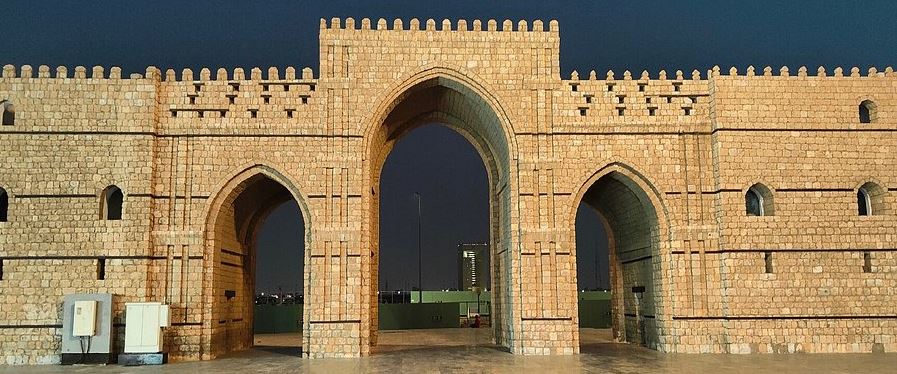
Bab Makkah, meaning Gate of Makkah, is one of the most symbolic landmarks in Jeddah. Historically, this gate marked the route pilgrims followed from Jeddah toward Makkah after arriving by sea.
Standing near Bab Makkah, many pilgrims reflect on the millions who passed through this path with ihram-clad hearts and sincere intentions.
Today, the surrounding area is lively with traditional markets, making it both a historic and cultural Ziyarat stop.
3. Al Rahma Mosque (Floating Mosque) – Prayer by the Red Sea
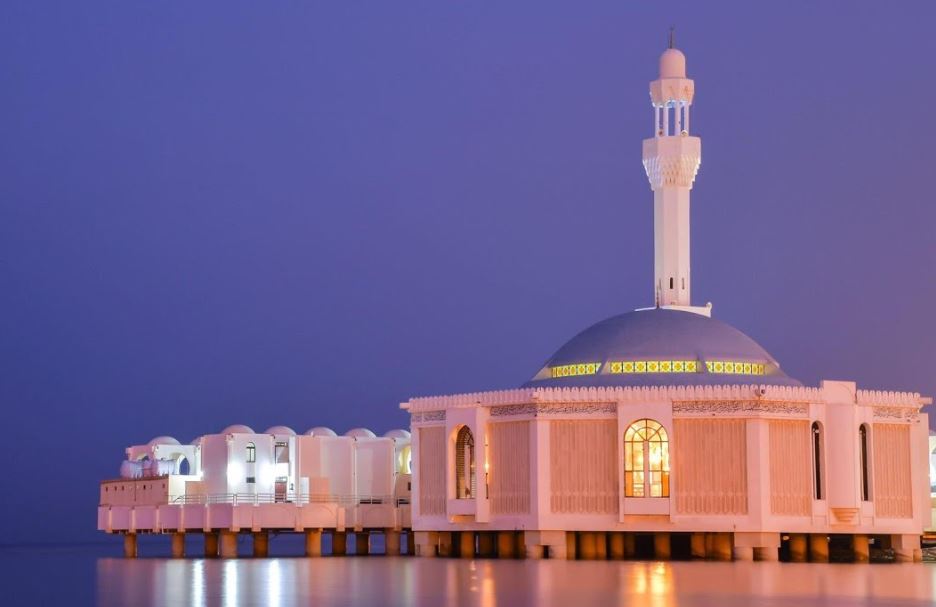
One of the most iconic religious landmarks in Jeddah is Al Rahma Mosque, commonly known as the Floating Mosque. Built on pillars over the Red Sea, the mosque appears to float during high tide.
Pilgrims often visit this mosque:
- To pray in a calm, open environment
- To reflect on Allah’s creation by the sea
- As a spiritual stop before traveling to Makkah
4. Al-Shafei Mosque – One of the Oldest Mosques in Jeddah
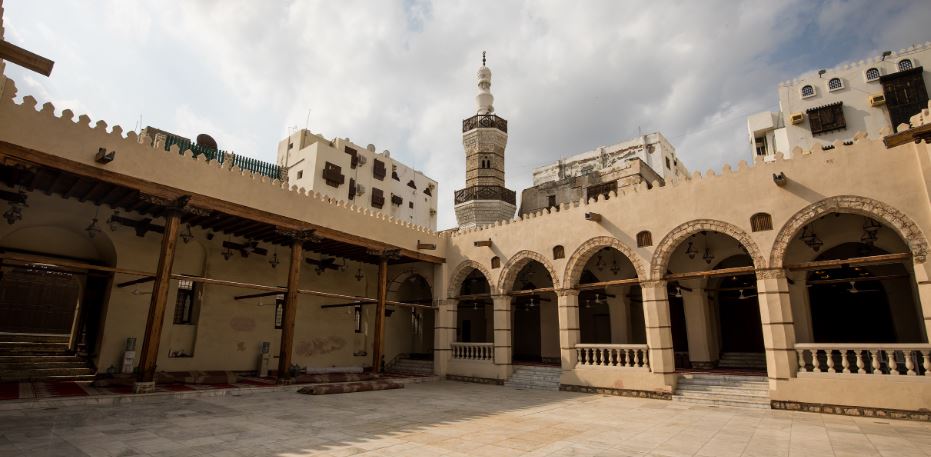
Al Shafei Mosque is believed to be over 1,000 years old, making it one of the oldest mosques in Jeddah. Located within Al-Balad, it reflects early Islamic architectural simplicity and devotion.
Pilgrims visit this mosque to:
- Pray in a historically significant place
- Experience traditional Hijazi mosque architecture
- Connect spiritually with early Muslim generations
Its quiet atmosphere makes it ideal for reflection and dua.
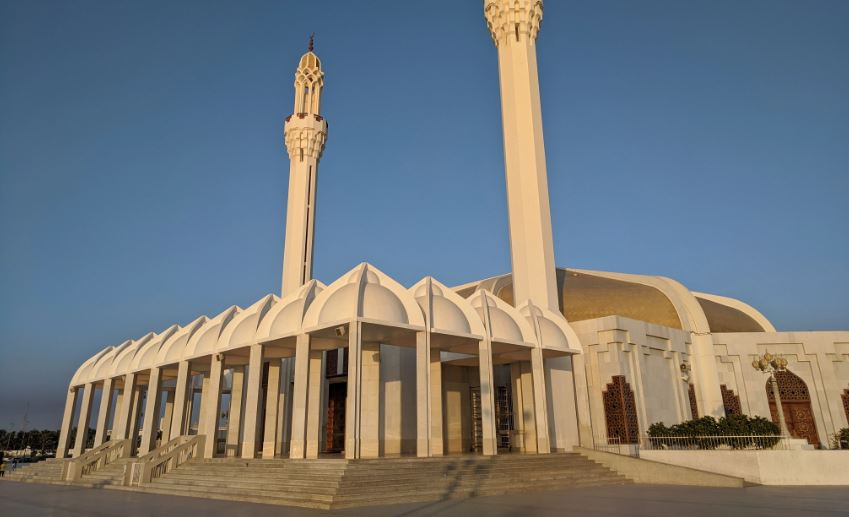
5. Hassan Enany Mosque – Modern Islamic Elegance
Located near the Corniche, Hassan Enany Mosque represents modern Islamic architecture while maintaining spiritual depth. Its elegant dome, spacious prayer hall, and beautiful calligraphy attract both worshippers and visitors.
Many pilgrims stop here while exploring coastal Jeddah, combining prayer with a peaceful seaside environment.
6. Jeddah Corniche – Reflection and Rest After Worship
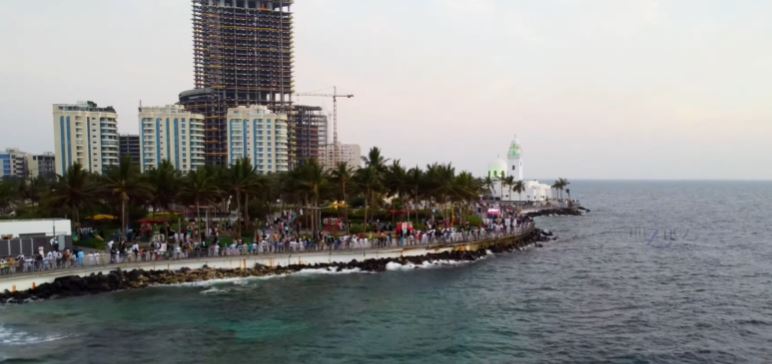
Although not a religious site, the Jeddah Corniche plays an important role in many Ziyarat itineraries. After intense Umrah or Hajj rituals, pilgrims often seek calm and reflection.
The Corniche offers:
- Red Sea views
- Family-friendly walking paths
- Views of King Fahd’s Fountain
Many pilgrims find this stop refreshing for the body and soul.
Connect Your Jeddah Ziyarat With Other Holy Cities
Many pilgrims continue their spiritual journey beyond Jeddah. We recommend exploring:
- Makkah Ziyarat Places: Discover holy sites around the Haram
- Madinah Ziyarat Places: Visit historic mosques and Islamic landmarks in the Prophet’s city
Final Thoughts
Jeddah’s Ziyarat places are not merely tourist stops, they are chapters of Islamic history that prepare the heart for worship and reflection.
From the ancient streets of Al-Balad to the serenity of the Floating Mosque, each location adds depth and meaning to a pilgrim’s journey.
By exploring these sites with VIP Umrah Taxi, pilgrims ensure their Ziyarat remains comfortable, respectful, and spiritually enriching.
May Allah accept your Umrah and Hajj and bless your travels with ease and barakah.