Complete Madinah Ziyarat List & Guide for Pilgrims
Madinah al-Munawwarah is not simply a city that pilgrims visit after completing Umrah or Hajj. It is the city that welcomed the Prophet Muhammad ﷺ, protected Islam in its most fragile days, and became the center from which the message of Islam spread to the world. For every Umrah and Hajj pilgrim, Madinah represents peace after struggle, mercy after sacrifice, and reflection after worship.
Performing Ziyarat in Madinah is not a ritual obligation, yet it is among the most spiritually transformative experiences of the entire journey. When approached with correct belief, proper etiquette, and sincere intention, Madinah Ziyarat deepens one’s understanding of Islam and strengthens the connection with the Prophet ﷺ and his companions.
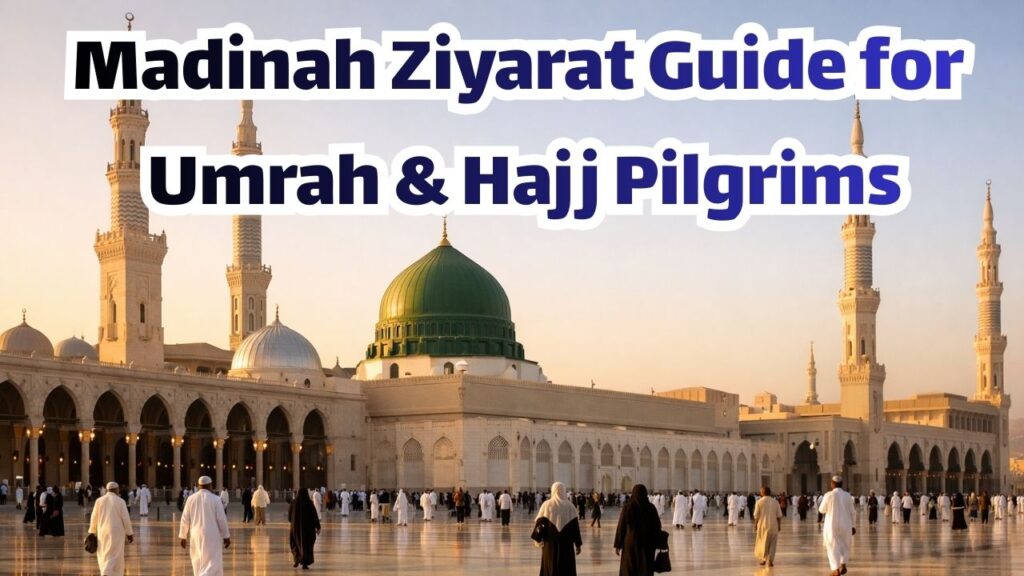
What Is Ziyarat in Madinah?
Ziyarat in Madinah refers to visiting places directly connected to the life of the Prophet Muhammad ﷺ, his family (Ahl al-Bayt), his companions (Sahabah), and the major events that shaped early Islamic history. For pilgrims, Ziyarat is not an act of worship in itself, but rather a means of reflection, remembrance, and learning.
Islamic scholars agree that Ziyarat is recommended (Mustahabb) when performed while maintaining pure Tawheed. Pilgrims do not ask the dead for help, nor seek blessings from structures. Instead, they make du‘a to Allah alone while reflecting on the sacrifices and lessons associated with each location.
The Prophet ﷺ said:
“Whoever visits me after my death, it is as if he visited me during my lifetime.”
(Musnad Ahmad – Hasan)
Masjid al-Nabawi – The Heart of Madinah Ziyarat
Masjid al-Nabawi is the spiritual center of Madinah and the most important Ziyarat site for every pilgrim. Located in the heart of the city, this mosque was built by the Prophet Muhammad ﷺ himself after his migration from Makkah in 622 CE. Prayer here carries immense virtue, as one prayer in Masjid al-Nabawi is equal to one thousand prayers elsewhere, except Masjid al-Haram.
Within the mosque lies the Sacred Chamber containing the resting place of the Prophet ﷺ, along with Abu Bakr and Umar (RA). Pilgrims should offer salam with humility and composure, standing respectfully without raising voices or making du‘a toward the grave. The purpose of visiting is love, respect, and following the Sunnah, not seeking intercession from the deceased.
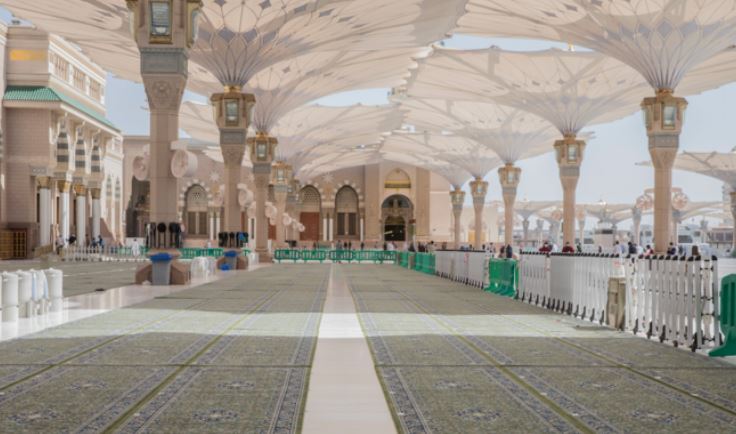
Rawdah Ash-Shareefah – A Garden from Paradise
The Rawdah Ash-Shareefah is located inside Masjid al-Nabawi, between the Prophet’s ﷺ house and his pulpit. The Prophet ﷺ described this space as a garden from Paradise, making it one of the most spiritually cherished places in Islam.
The Prophet ﷺ said:
“Between my house and my pulpit is a garden from Paradise.”
– (Bukhari & Muslim)
Access to Rawdah is regulated due to large crowds, but pilgrims who enter should focus on calm prayer and sincere supplication. Praying two rak‘ah here and making heartfelt du‘a is recommended. Pilgrims should avoid rushing, pushing, or emotional displays that disturb others, as tranquility is part of the Sunnah.
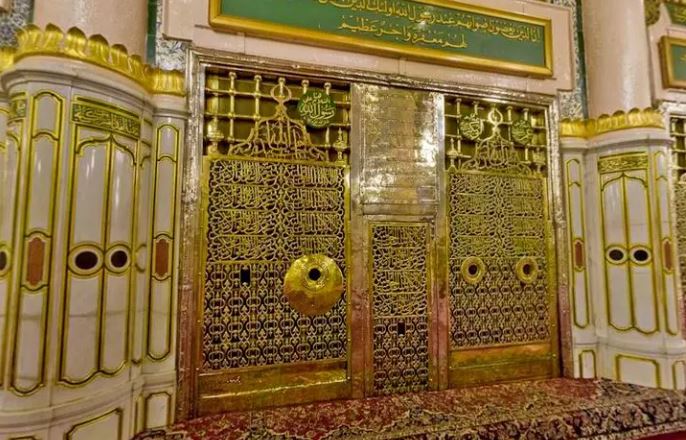
Jannat al-Baqi – The Resting Place of the Believers
Located immediately adjacent to Masjid al-Nabawi, Jannat al-Baqi is the most sacred cemetery in Islam. Thousands of companions of the Prophet ﷺ are buried here, including his wives, children, and close family members. Imam Hasan ibn Ali (RA) and many early martyrs also rest within its grounds.
Pilgrims visit Jannat al-Baqi to remember death, make du‘a for the deceased, and reflect on the temporary nature of worldly life. The Prophet ﷺ regularly visited this cemetery and taught specific supplications to recite.
Sunnah Du‘a:
“Peace be upon you, O inhabitants of the graves”
Photography and loud conversation should be avoided, as the atmosphere is one of humility and remembrance.
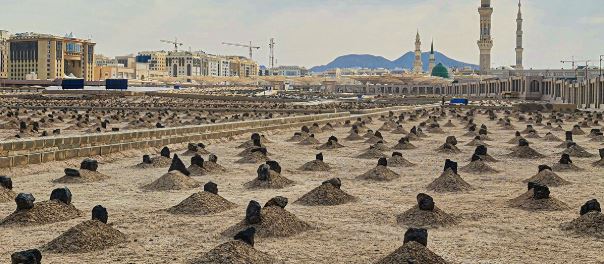
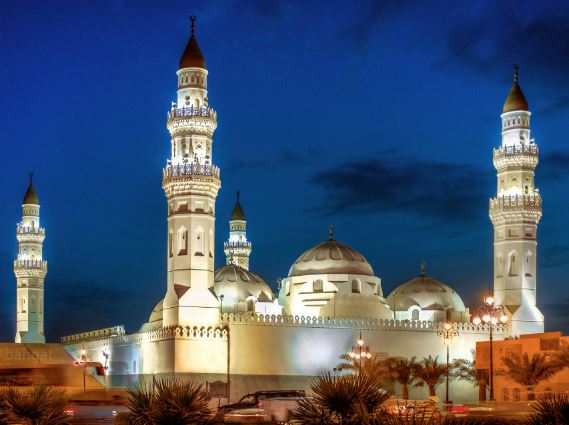
Masjid Quba – The First Mosque in Islam
Masjid Quba is located approximately 3.5 to 4 kilometers south of Masjid al-Nabawi, making it the closest major Ziyarat site that requires transportation. This mosque holds unmatched historical significance, as it was the first mosque built in Islam, with its foundation laid by the Prophet ﷺ himself.
The Prophet ﷺ frequently visited Masjid Quba and informed his companions that praying two rak‘ah here carries the reward of performing Umrah. Pilgrims visiting Masjid Quba should pray voluntary salah, reflect on the beginnings of the Muslim community, and appreciate how Islam was established through sincerity and unity.
Masjid al-Qiblatayn – Where Direction Changed by Revelation
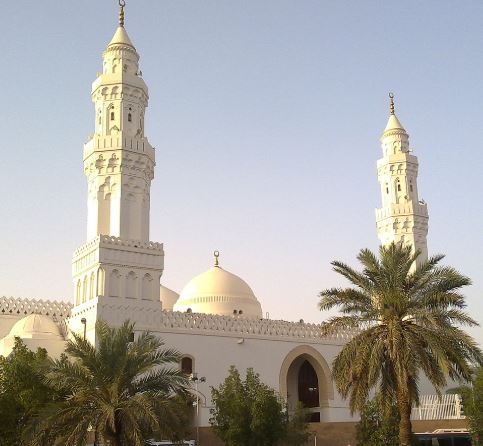
Situated about 4 to 5 kilometers northwest of Masjid al-Nabawi, Masjid al-Qiblatayn marks one of the most defining moments in Islamic worship. It was here that revelation instructed the Prophet ﷺ to change the direction of prayer from Jerusalem to Makkah, while the companions were already in prayer.
This mosque symbolizes complete obedience to Allah’s command. Pilgrims visit Masjid al-Qiblatayn to reflect on submission, unity of the Ummah, and the centrality of the Kaaba in Islamic belief.
Mount Uhud – The Mountain That Loves the Believers
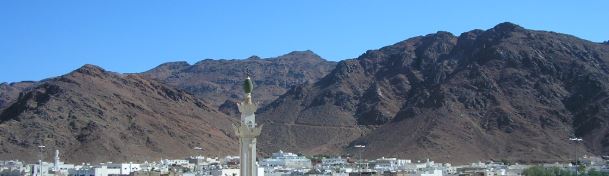
Mount Uhud is located approximately 6 to 7 kilometers north of Masjid al-Nabawi and is the site of the Battle of Uhud. This battle tested the Muslim community through hardship, loss, and lessons of obedience. Seventy companions, including Hamza ibn Abdul Muttalib (RA), were martyred here.
The Prophet ﷺ said,
“Uhud is a mountain that loves us, and we love it.”
Pilgrims visiting Uhud reflect on sacrifice, discipline, and reliance on Allah. Nearby are the graves of the martyrs, where pilgrims quietly make du‘a and contemplate the price paid to preserve Islam.
The Seven Mosques – Legacy of the Battle of the Trench (Khandaq)
Located about 5 to 6 kilometers west of Masjid al-Nabawi, the Seven Mosques area commemorates the Battle of the Trench (Khandaq). Although fewer structures remain today, the site represents one of the most critical defensive moments in Islamic history.
Pilgrims visiting this area reflect on unity, strategy, and perseverance, remembering how a small Muslim community survived overwhelming opposition through faith and cooperation.
Wells, Mosques, and Supporting Ziyarat Sites
Beyond the major landmarks, Madinah contains several important Ziyarat locations that add depth to a pilgrim’s understanding of Islamic history. The Well of Uthman ibn Affan (RA), located about 4 kilometers from Masjid al-Nabawi, represents one of the greatest charitable endowments (waqf) in Islam. The Well of Ghars, around 5 kilometers away, is associated with the Prophet ﷺ drinking and performing wudu from its water.
Masjid Ghamama, Masjid Jumuah, and Masjid al-Ijabah are all located within 2 to 5 kilometers of Masjid al-Nabawi and are commonly included in Ziyarat taxi routes. Each mosque reflects a specific event from the Prophet’s ﷺ life, such as Eid prayer, the first Friday sermon, or accepted supplications.
Practical Travel Between Ziyarat Sites
Most Ziyarat locations in Madinah are not within walking distance, especially for elderly pilgrims and families. For this reason, many Umrah and Hajj pilgrims choose a Madinah Ziyarat taxi service to visit multiple locations comfortably in one or two days.
After completing Ziyarat in Madinah, pilgrims often continue their journey with Makkah Ziyarat, visiting Mina, Arafat, Muzdalifah, and Jabal al-Noor. Planning both cities together allows pilgrims to focus fully on worship rather than logistics.
Madinah Ziyarat Distance & Location Table
| Ziyarat Place | Distance from Masjid al-Nabawi |
|---|---|
| Masjid Quba | ~3.5 km |
| Masjid al-Qiblatayn | ~4.5 km |
| Mount Uhud & Martyrs | ~6 km |
| Seven Mosques | ~5–6 km |
| Masjid al-Ijabah | ~5 km |
| Well of Uthman | ~4 km |
Best Time to Perform Ziyarat in Madinah
The ideal time for Ziyarat is early morning after Fajr or late afternoon after Asr, when temperatures are cooler and crowds are lighter. Winter months (November–February) are most comfortable, while summer visits should be limited to early hours.
Common Mistakes Pilgrims Should Avoid
Many pilgrims unknowingly fall into errors during Ziyarat, such as making du‘a directly to graves, touching walls for blessings, or following unverified practices. True Ziyarat follows Tawheed, Sunnah supplications, and dignified conduct.
Suggested Ziyarat Itinerary in Madinah
One-Day Ziyarat: Masjid Quba → Masjid al-Qiblatayn → Mount Uhud → Martyrs → Seven Mosques
Two-Day Ziyarat:
- Day 1: Quba, Qiblatayn, Masjid Jumuah
- Day 2: Uhud, Seven Mosques, wells and gardens
Why Madinah Ziyarat Is an Essential Part of the Umrah and Hajj Experience
Ziyarat in Madinah connects rituals with history, strengthens love for the Prophet ﷺ, and transforms worship into lived understanding. Many pilgrims naturally continue their journey with Makkah Ziyarat, visiting Mina, Arafat, Muzdalifah, and Jabal al-Noor as part of a complete spiritual path.
Final Reflection for Pilgrims
Ziyarat in Madinah is not tourism. It is walking through revelation, sacrifice, and mercy.
May Allah accept your journey, grant you sincerity, and allow Madinah to remain alive in your heart long after you return home.