List of Makkah Ziyarat Places – A Complete Guide for Pilgrims
Makkah is not only the direction of prayer for Muslims around the world; it is the heart of Islamic history. Every street, mountain, and valley around the Holy Haram carries memories of the Prophets, the early believers, and events that shaped Islam.
For pilgrims performing Umrah or Hajj, visiting these sacred locations is a way to connect deeply with that history and reflect on the journey of faith.
Ziyarat in Makkah is not about rushing from one place to another. It is about understanding where important moments happened, standing where the Prophets stood, and remembering the sacrifices made for the message of Islam.
Many pilgrims complete their obligatory worship first and then dedicate time to visiting these meaningful sites with calm and reflection. For those who wish to visit these locations comfortably and efficiently, arranging a reliable Makkah Ziyarat taxi service can help make the journey smooth and focused on worship rather than logistics.
This guide is written to help pilgrims clearly understand all major Ziyarat places in and around Makkah, their importance, what makes each place special, and how to approach them with clarity and respect.
What Ziyarat Means in Makkah
Ziyarat means “to visit”, but in the Islamic context, it carries a much deeper meaning. It refers to visiting places that are connected to the life of Prophet Muhammad ﷺ, earlier prophets, and the defining moments of Islamic history. In Makkah, Ziyarat includes locations connected to:
- The life of Prophet Muhammad ﷺ
- Earlier Prophets such as Ibrahim, Ismail, and Adam (peace be upon them)
- Major events of revelation, migration, and sacrifice
- The rituals of Umrah and Hajj
Ziyarat is not a formal part of Umrah or Hajj. However, it has been practiced by generations of pilgrims who wish to deepen their understanding of faith.
Many scholars encourage it as a form of reflection, provided it is done correctly, without innovations or acts of worship that are not prescribed.
Most pilgrims perform Ziyarat after completing Umrah, while others prefer to do it before returning home.
How Many Ziyarat Places Are There in Makkah?
There is no single agreed-upon number. Rather than focusing on counting them, it is more meaningful to understand their significance and context.
Below is a suggested Ziyarat flow, and the places are grouped together based on their location and historical relevance.
- Core sacred sites
- Historical landmarks
- Hajj-related locations
- Miqat and treaty sites
Sacred Sites Inside Masjid al-Haram
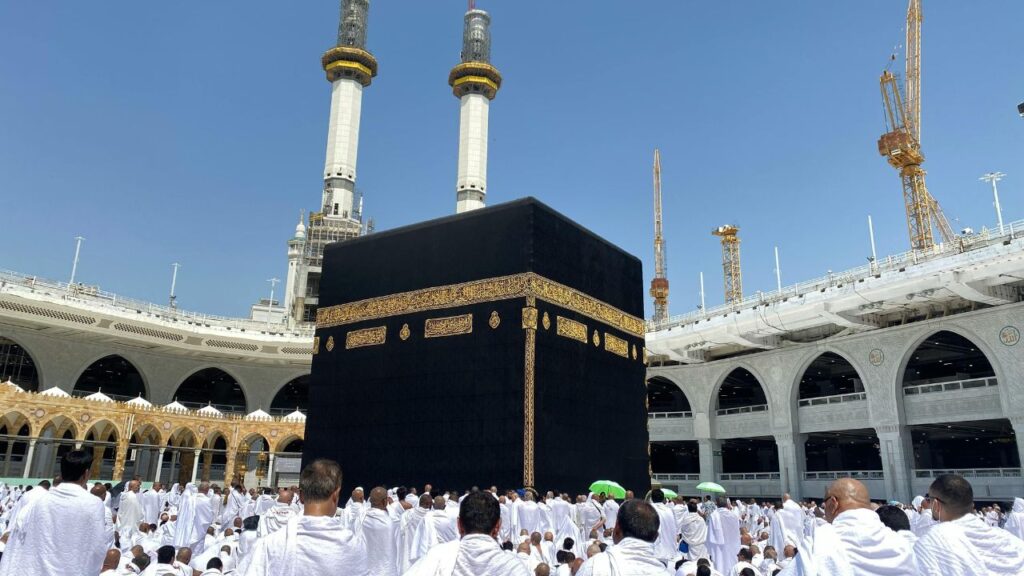
The Holy Kaaba
The Kaaba is the most sacred place in Islam. It is the first house built by Prophet Ibrahim (alayhi as-salām) and Prophet Ismail (alayhi as-salām) for the worship of Allah, and it is the direction of prayer for Muslims worldwide.
Standing in front of the Kaaba is a powerful experience that reminds pilgrims of unity, submission, and purpose.
During Ziyarat, pilgrims often spend time making personal supplications, reflecting silently, and thanking Allah for inviting them to His House.
Maqam Ibrahim
Maqam Ibrahim is the stone that bears the footprints of Prophet Ibrahim (peace be upon him). He stood on this stone while building the Kaaba with his son Ismail. It represents obedience, effort, and trust in Allah.
Pilgrims usually pray two units of prayer near this place after Tawaf and reflect on the patience of Prophet Ibrahim.
Hajr-e-Aswad (The Black Stone)
The Black Stone is set into one corner of the Kaaba and marks the beginning of Tawaf. It is believed to have come from Paradise. Pilgrims try to touch or point toward it during Tawaf, following the Sunnah of the Prophet ﷺ.
It reminds believers of accountability, as it is said to bear witness on the Day of Judgment.
The Well of Zamzam
Zamzam water is a living miracle that began when Prophet Ismail (peace be upon him) was an infant. Allah provided water for him and his mother, Hajara, in the barren desert.
Pilgrims drink Zamzam with intention and gratitude, remembering Allah’s mercy and care.
Safa and Marwa
These two hills represent the struggle of Hajara as she searched for water for her child. Her effort became an act of worship that pilgrims repeat during Sa’i, and these places are also mentioned in the Quran as signs of Allah. They teach patience, trust in Allah, and the value of sincere effort.
“Indeed, Safa and Marwa are among the symbols of Allah. So whoever performs Hajj to the House or performs ‘Umrah—there is no blame upon him for walking between them. And whoever volunteers good—then indeed, Allah is Appreciative and Knowing.”
(Surah Al-Baqarah 2:158)
Ziyarat Places Near Masjid al-Haram
Jannat al-Mu’alla
This historic cemetery is one of the oldest in Makkah. It contains the graves of many family members and companions of the Prophet ﷺ, including his beloved wife Khadijah (may Allah be pleased with her).
Pilgrims visit this area quietly, offering prayers for the deceased and reflecting on the sacrifices made by early Muslims.
Masjid al-Jinn
Masjid al-Jinn marks the place where a group of jinn listened to the Prophet ﷺ recite the Quran and accepted Islam. It highlights that the message of Islam is for all of creation.
The mosque is small and calm, often visited for reflection rather than ritual prayer.
Mountains and Caves of Revelation and Protection
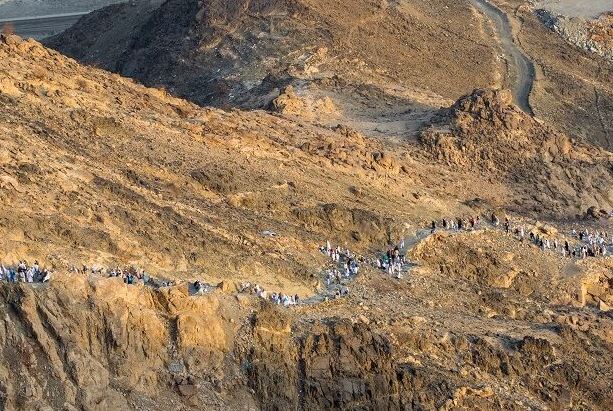
Jabal al-Noor and the Cave of Hira
Jabal al-Noor, the Mountain of Light, is where the Cave of Hira is located. This cave is where the first verses of the Quran were revealed to the Prophet ﷺ. The climb is challenging, but pilgrims who go there often describe it as a deeply humbling experience.
The cave reminds believers of the beginning of divine guidance.
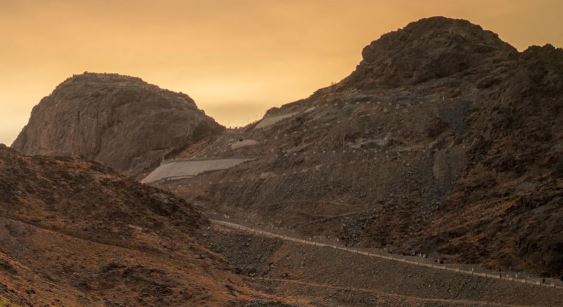
Jabal Thawr and the Cave of Thawr
This mountain holds the cave where the Prophet ﷺ and Abu Bakr (may Allah be pleased with him) hid during the migration to Madinah. The story of the spider’s web and the birds at the cave entrance shows how Allah protects those who trust Him.
Major Hajj-Related Ziyarat Sites
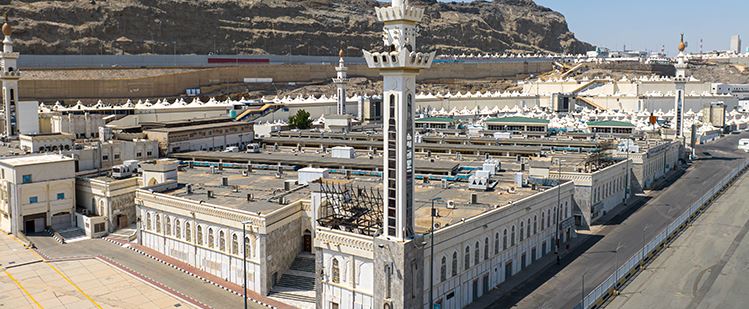
Mina
Mina is known as the City of Tents. It is where pilgrims stay during Hajj and perform symbolic acts such as the stoning of the pillars. Outside the Hajj season, visiting Mina helps pilgrims understand the physical and spiritual demands of the pilgrimage.
Masjid al-Khayf
Located in Mina, this mosque is believed to be a place where many Prophets prayed. It is recommended for reflection and prayer.
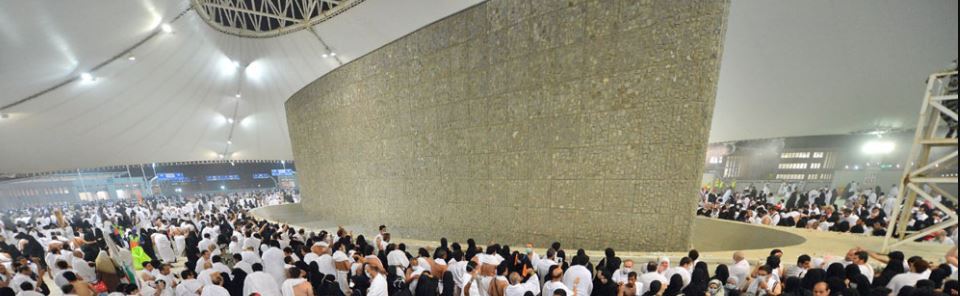
Jamarat
The Jamarat are the three pillars symbolizing Satan. Pilgrims stone them during Hajj to represent rejection of temptation and evil. Seeing this place outside the crowded days of Hajj allows pilgrims to understand the meaning behind the ritual.
Arafat
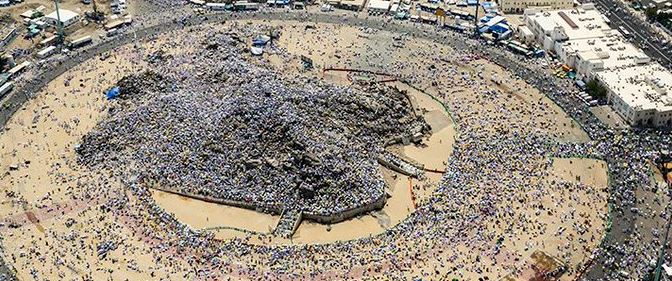
Arafat is one of the most important places in Islam. The Day of Arafah is the heart of Hajj. The Prophet ﷺ delivered his Farewell Sermon here. Standing on the plains of Arafat reminds pilgrims of forgiveness, mercy, and the Day of Judgment.
Jabal al-Rahmah
Also known as the Mount of Mercy, it is located within Arafat. It is believed to be the place where Prophet Adam and Hawwa (peace be upon them) were reunited. Pilgrims often make heartfelt supplications here.
Masjid Nimrah
Masjid Nimrah is where the sermon of Arafah is delivered during Hajj. It symbolizes guidance, unity, and leadership.
Muzdalifah
Muzdalifah lies between Arafat and Mina. Pilgrims stay here overnight during Hajj and collect pebbles for the Jamarat ritual. It is a place of simplicity and remembrance under the open sky.
Miqat and Treaty-Related Sites
Masjid Ayesha (Masjid al-Taneem)
This mosque serves as a Miqat for pilgrims who wish to enter Ihram again. It is commonly visited by Umrah pilgrims planning another Umrah.
Masjid Jurana
Masjid Jurana is another Miqat location and is connected to events after the Battle of Hunayn.
Hudaibiyah
This site marks the Treaty of Hudaibiyah, a turning point in Islamic history. It teaches patience, wisdom, and long-term vision.
Additional Educational and Cultural Sites
Kiswah Factory
The Kiswah Factory produces the cloth that covers the Kaaba. Visitors can learn about the craftsmanship and care involved.
Hira Cultural District
This modern educational area helps visitors understand the story of revelation through exhibitions and learning spaces.
How to Approach Ziyarat Respectfully
- Dress modestly
- Keep voices low
- Avoid crowding or rushing
- Focus on reflection, not photography
- Remember these places are for remembrance, not rituals
Common Questions Pilgrims Ask
Final Reflections
Visiting the Ziyarat places in Makkah is like walking through living history. These locations are not just landmarks, they are reminders of patience, sacrifice, faith, and mercy.
Each site tells a story that strengthens belief and deepens appreciation for Islam. Whether it is the silence of a cave, the vastness of Arafat, or the calm of a historic cemetery, every place offers something meaningful.
Taking time to understand these places allows pilgrims to return home not only with memories, but with a stronger connection to their faith.
May every visit be accepted, every step rewarded, and every prayer answered. Ameen!
Also Checkout: